This is a demo store. No orders will be fulfilled.

Best Ways to Prevent Domestic Appliance Repairs

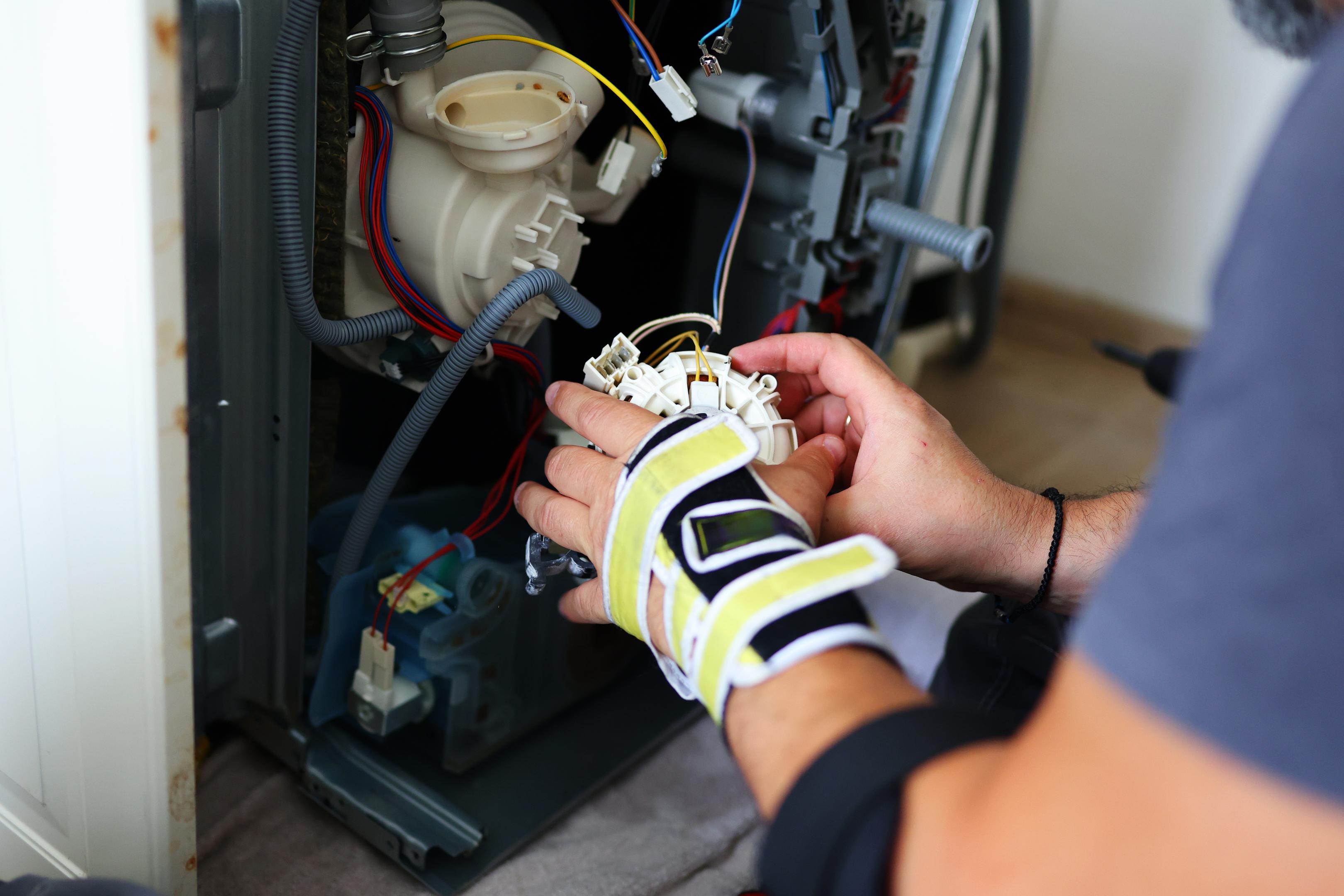
Few things disrupt a household quite like a fridge that stops cooling or a washing machine that refuses to spin. Most domestic appliance repairs, though, are not down to bad luck. They tend to follow months of small habits that quietly wear a machine down. The reassuring part is that a little care goes a long way. With a few simple routines, you can keep your appliances running smoothly for years and sidestep the cost and disruption of a sudden breakdown.
At Joe Graham & Son Ltd, we have helped local households look after their kitchens and utility rooms since 1966. Below are our favourite ways to reduce domestic appliance repairs and get more life out of the machines you rely on every day.
Key takeaways
-
Most domestic appliance repairs are preventable with simple, regular maintenance.
-
Clean filters, seals and lint traps often, as they protect the parts that cost the most to replace.
-
Always use a qualified engineer for any gas, electrical or refrigerant work.
-
A yearly service catches small faults before they grow into expensive breakdowns.
Why domestic appliances wear out
Every machine has moving parts, seals, filters and electronics that degrade over time. Limescale collects in heating elements. Grease clogs filters. Door seals stiffen and crack. None of this happens overnight, which is why a fault so often feels sudden even when the warning signs were building for weeks. Understanding how your appliances age makes it far easier to spot trouble early and act before a minor niggle turns into one of the more expensive domestic appliance repairs.
Everyday habits that prevent domestic appliance repairs
Good maintenance is mostly about consistency rather than effort. A few minutes each week protects the parts that cost the most to replace. Try working these habits into your routine:
-
Clean filters and lint traps regularly, as blocked airflow is one of the most common causes of breakdowns.
-
Wipe down door seals on washing machines, dishwashers and fridges to stop mould and keep them airtight.
-
Avoid overloading drums and racks, since extra strain on motors and hinges shortens their lifespan.
-
Run a hot maintenance wash on your washing machine and dishwasher every month to clear grease and residue.
-
Descale kettles, irons and coffee machines if you live in a hard water area.
Small actions like these cut the chance of needing an appliance repair and help your machines run more efficiently, which can trim your energy bills too.
If a problem is already beyond a quick fix, our friendly team is on hand to help. Get in touch with Joe Graham & Son Ltd for honest, no-pressure advice.
Caring for your specific appliances
Washing machines and dryers
Laundry appliances take a lot of punishment. Check pockets for coins and keys before every wash, because loose items damage drums and pumps. Leave the door ajar between washes so the drum can dry out and stay fresh. For tumble dryers, empty the lint filter after each cycle to keep airflow strong, lower the fire risk, and prevent clogs that can make clothes take too long to dry or stop drying properly. If you hear grinding or notice water pooling, and water remains in the drum after a cycle, checking the drain hose is a sensible first step. If a repair is needed, the majority can often be completed on-site on the first visit, and you can also browse our range of washing machines if a replacement ever makes more sense than a fix.
Ovens and hobs
Spills left to bake on will eventually affect heating performance and the door seal. Wipe your oven down while it is still slightly warm, and clean hob burners so they ignite cleanly. Steer clear of harsh metal scourers on glass surfaces. Gas appliances call for extra caution, so only a Gas Safe registered engineer should handle anything beyond surface cleaning. If your ovens start heating unevenly, that is usually a sign the element or fan needs attention.
Fridges and freezers
Refrigeration runs around the clock, so keeping it healthy pays off. Vacuum the condenser coils at the back once or twice a year, leave space around the unit for air to circulate, and defrost freezers before ice builds up thickly. Make sure the door seals close firmly, because a weak seal forces the motor to work harder and shortens its life. Our selection of fridge freezers highlights energy-efficient models that are kinder to run, including American style units with smart temperature control and practical features, alongside options from brands such as Samsung.
How often should you service domestic appliances?
You may be wondering how often appliances actually need professional attention. For most machines a yearly check is sensible, while gas appliances should be inspected by a registered engineer every twelve months without exception. Beyond that, the right schedule depends on how heavily you use each appliance and the hardness of your local water. A family of five running daily washes will need more frequent care than a single person. Booking a service before a problem shows up is nearly always cheaper than emergency domestic appliance repairs.
This simple schedule is a helpful starting point for most homes:
|
Appliance |
Suggested maintenance |
How often |
|---|---|---|
|
Washing machine |
Hot maintenance wash, check the door seal |
Monthly |
|
Tumble dryer |
Empty and clean the lint filter |
After each use |
|
Oven |
Deep clean, inspect the door seal |
Every 2 to 3 months |
|
Fridge freezer |
Defrost, clean coils, check seals |
Twice a year |
|
Gas appliances |
Professional safety inspection |
Yearly |
Thinking it might be time for an upgrade rather than a repair? Explore the full Joe Graham & Son Ltd range to find a reliable, energy-efficient replacement.
When to call a professional for appliance repair
Some jobs are safe to tackle yourself, such as clearing a filter or swapping a worn hose. Others are not. Anything involving gas, electrical wiring or refrigerant should always go to a trained technician, and you should verify their training and certification before booking appliance repairs. Verified trade directories can help you identify qualified technicians. Burning smells, repeated trips at the fuse board, tripped circuit breakers or flickering displays are all signs to stop using the appliance and call a professional. Attempting a complex fix without the right knowledge can void your warranty, cause further damage or put your safety at risk. Our family run business has been helping customers for over 26 years, and our experienced team handles domestic appliance repairs across Luton and the surrounding area, with service cover for all makes and models; we also maintain a vast range of spare parts, and if there is limited availability in stock, we can usually supply what you need within one to two days. Completed repairs are insured for three months, giving ongoing support after the job is done. Customers looking after domestic appliances in Milton Keynes and the wider region can count on the same standard of care.
Frequently asked questions
What is the most common cause of appliance breakdowns?
Blocked filters and worn door seals top the list. Both restrict airflow or let moisture in, which forces motors and pumps to work harder, and a technician may need to diagnose hidden issues before they worsen. Dishwashers are a good example, as they often fail to drain because the drain filter is blocked. A quick weekly clean prevents most of these faults.
Is it cheaper to repair or replace an appliance?
It depends on the age and the fault. As a rough guide, if a fix is not cost effective and costs more than half the price of a new model, or the appliance is over ten years old, a new machine is usually the better value and can save money, especially as newer energy efficient models save water and reduce running costs. We stock a large selection of reconditioned and new domestic appliances for every budget, including washing machines, dishwashers, and ovens. Delivery and installation are available for new appliances, with a stress free service and delivery typically within 48 hours of purchase. Old appliances can be removed during installation.
Can I repair an appliance myself?
Simple jobs such as clearing a filter or swapping a hose are fine for most people. Anything involving gas, mains wiring or refrigerant should be left to a qualified engineer, for your safety and to protect the warranty. If replacement is needed, we can help you choose the right brand, including freestanding dishwashers in full size, slimline, and integrated options.
A little prevention saves a great deal of money, and our family team is always happy to help when something does go wrong. Whether you need advice, a spare part or a full repair, get in touch through our contact page or browse the full range on the Joe Graham & Son Ltd homepage. Looking after your domestic appliances has never been simpler.
About the Author

Ceramic vs Induction Hob: What's Best Compared to Gas
December 7, 2022
History of the Dyson Company
May 30, 2015

Signs Your Fridge Freezer Isn't Running As It Should
March 15, 2019



Best Fridge Freezers for Small Kitchens
June 25, 2026

Best Fridge Freezers for Modern Kitchens
June 15, 2026

Top Fridge Freezer Features to Look for When Buying
June 15, 2026
Best Ways to Prevent Domestic Appliance Repairs
June 15, 2026
When to Book Professional Domestic Appliance Repairs
June 15, 2026
